Solar Panels in Leeds
Sourced answers on what solar panels cost in Leeds, what they save and whether they are worth it for your roof: Leeds yield data, 0% VAT until 31 March 2027, and an independent view of the grants that exist.
QUICK ANSWER
What do solar panels cost in Leeds, and are they worth it?
A typical Leeds home fits a 3.5–5 kWp system (about 9–13 panels). Across Great Britain in 2025/26, MCS installations cost a median of about £1,550–£1,600 per kW (DESNZ, including VAT where charged), which works out at typically £5,500–£9,000 once roof and scaffold specifics are allowed for. Installation is zero-rated for VAT until 31 March 2027. A south-facing roof in central Leeds is modelled at 947 kWh per kWp a year (PVGIS), so a 4 kWp system makes around 3,800 kWh. With about 40% of that used in the home at roughly 26p a unit, and the rest exported at around 12p, the illustrative saving is about £590–£750 a year and the payback roughly 9–12 years. It is not right for everyone: a north-only roof or heavy shading can push the payback well beyond that.
- Own your roof and use some daytime power → solar usually stacks up in Leeds.
- Self-use is worth more than double the export rate (about 26p avoided against about 12p earned), so using your own power beats selling it.
- Try the estimator below, then send an enquiry if you want a reply by email.
INDICATIVE ESTIMATE · NO FORM NEEDED
Your Leeds solar estimate in seconds
Move the slider and pick your roof to see an indicative system size, price and payback on screen. It is a model, not a quote: the assumptions are listed underneath.
- Indicative price and payback on screen, never hidden behind a form
- Sized from your bill and roof direction, using Leeds yield data
- Exact figures need an installer's site survey: compare itemised written quotes
Yield basis: PVGIS (European Commission) gives 947 kWh per kWp a year for a south-facing roof at 35° in central Leeds, with 14% system losses. Panels run on daylight, not heat.
A north-only roof often won't pay for itself. Ask any installer to show their shading and yield calculation for your roof before you commit.
Prefer the fuller form? Send a longer enquiry →Model, not a quote. Assumes: yield 947 kWh per kWp for a south roof (PVGIS, central Leeds; east–west 13% lower and north 32% lower are rough allowances); 40% of generation used in the home; 26p per kWh import (Ofgem price cap, GB average, Oct–Dec 2026); 12p per kWh export (Smart Export Guarantee, typical open rate); installed price between the DESNZ GB median per kW for MCS installs in 2025/26 (£1,595 up to 4 kW, £1,546 above) and its domestic mean (£1,955 per kW up to 4 kW, £1,645 above), including VAT where charged, excluding batteries. Your real figure depends on roof, shading, usage and tariff. 0% VAT applies to home solar until 31 March 2027, then 5%. Sources: PVGIS, DESNZ solar PV cost data, Ofgem SEG. Checked 30 October 2026.
Solar on a Leeds home is about your roof, not a national average
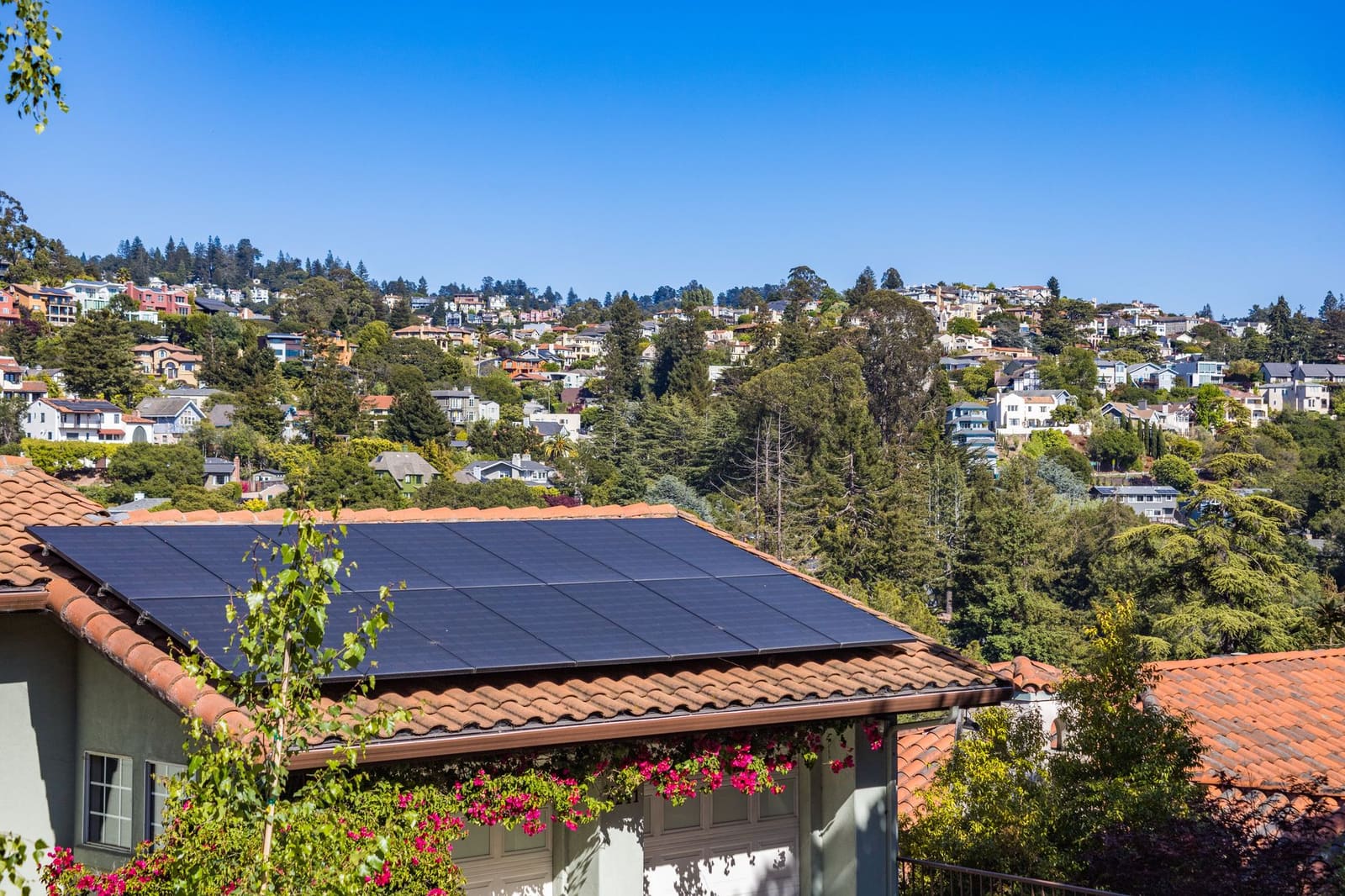
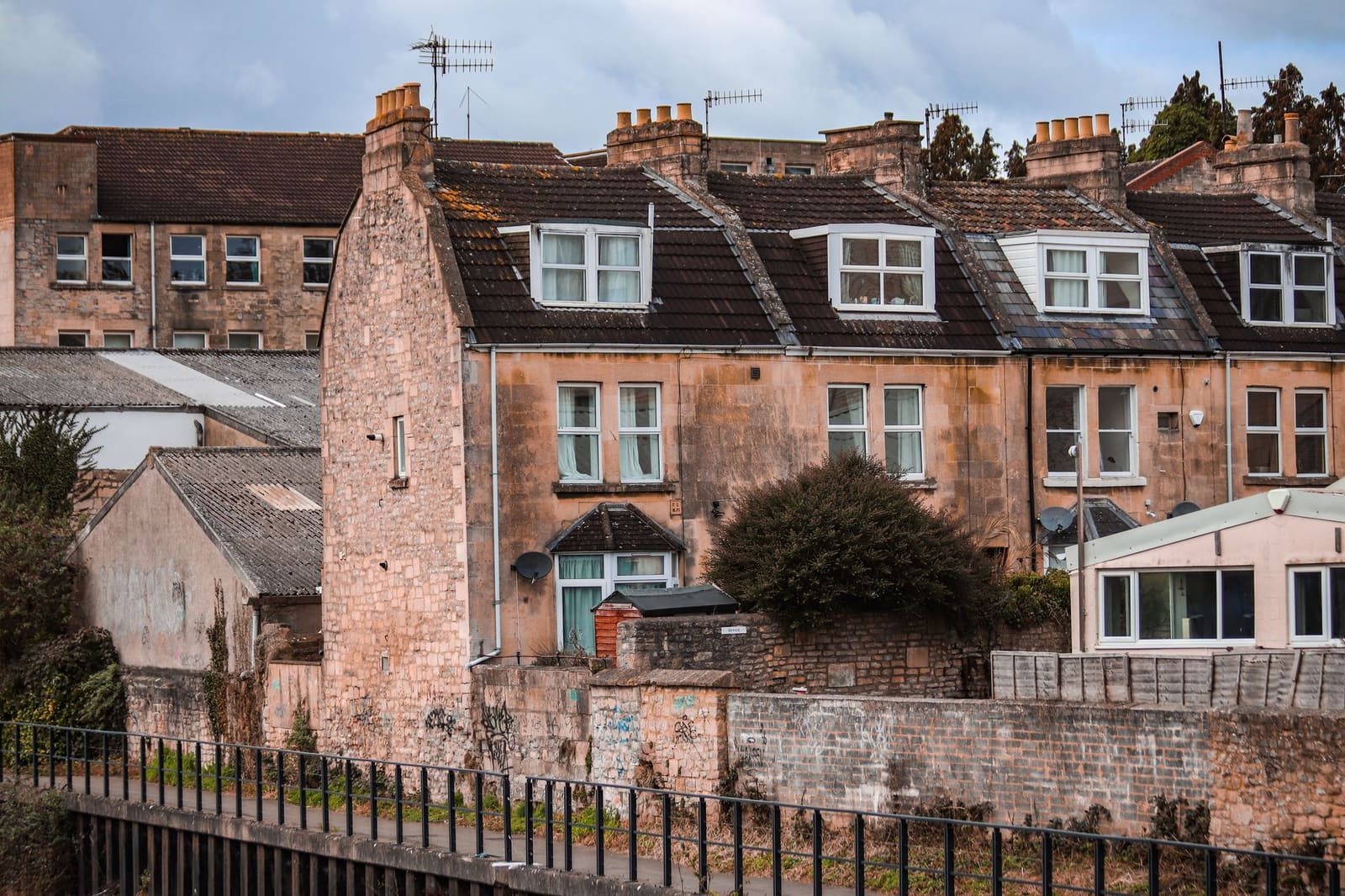
Leeds is not one housing market. Inner-city back-to-back terraces (Hyde Park, Beeston, Harehills) usually have one fixed roof pitch and room for a smaller array. Through-terraces in Headingley and Meanwood tend to have one workable orientation with chimney shading to design around. The inter-war and post-war semis of Moortown, Roundhay, Alwoodley and Garforth often have more generous, unshaded dual-pitch roofs, which suit a larger array, a battery and an EV charger.
And no, it is not "too cloudy up north". PVGIS, the European Commission's solar model, gives 947 kWh per kWp a year for a south-facing roof at 35° in central Leeds. Panels run on daylight, not heat.
- Roof types in Leeds: back-to-back, through-terrace, semi, stone or new-build
- Northern Powergrid is the network operator for Leeds: small systems are notified under G98, larger ones need approval under G99 (your installer files these)
- There are 80 conservation areas in the Leeds district, where some solar panels need planning permission (Leeds City Council)
- Dated figures with their sources listed at the foot of this page
Solar replaces some of the units you buy, and pays you for the rest
WHAT YOU ACTUALLY SAVE
Two ways solar pays, and why self-consumption matters most
Your savings come from two places. First, every unit you generate and use yourself is a unit you do not buy at roughly 26p (Ofgem price cap, GB average, October–December 2026). Second, the surplus you export earns a payment under the Smart Export Guarantee. Rates are set by suppliers: Octopus Outgoing pays around 12p a unit, the better fixed rates open to anyone are around 12–13p, and some small suppliers pay 3–6p. The older 15p figure is out of date. Because a used unit is worth more than double an exported one, the biggest lever on your return is using more of your own power, for example by running the washing machine or dishwasher in daylight, or by adding a battery to shift generation into the evening.
Export income is a bonus, not the case for solar. Figures checked 30 October 2026.
| System | Cost (0% VAT to 31 Mar 2027) | Generation/yr (south roof) | Payback |
|---|---|---|---|
| 3 kWp (8 panels) | £4,800–£5,900 | ~2,800 kWh | ~10–11 yr |
| 4 kWp (10 panels) | £6,400–£7,800 | ~3,800 kWh | ~10–11 yr |
| 5 kWp (13 panels) | £7,700–£8,200 | ~4,700 kWh | ~9–10 yr |
| + a home battery | Several thousand pounds | — | Depends on tariff and use |
From estimate to switch-on: the steps a buyer takes
This site does not install, survey or quote. This is the route most homeowners follow, and what to check at each step.
- 01
Get an estimate
Use the estimator above or read the cost guide to see whether solar is worth pursuing for your bill and roof direction.
- 02
Check the rules
Most roofs are permitted development, but conservation areas and listed buildings differ. Your network operator, Northern Powergrid, must be told about the system (G98) or approve it (G99).
- 03
Compare itemised written quotes
Ask installers for a written quote with the system size, named panel and inverter, a yield estimate, VAT shown and warranties. Check their MCS certificate number at mcscertified.com.
- 04
Installation and sign-off
A good installer notifies Northern Powergrid and registers the MCS certificate you need to claim Smart Export Guarantee payments.
Solar guides for Leeds homes
Panels, battery storage, EV chargers and maintenance explained, plus a short guide to business solar.
 Most common
Domestic solar panel installation
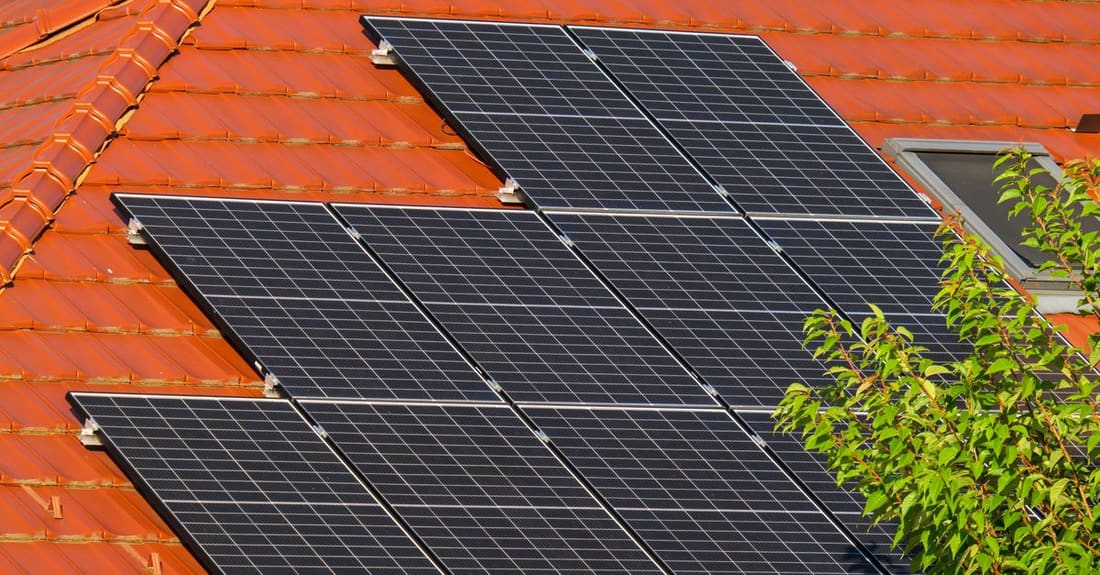
Design should follow your roof and your actual electricity use across Leeds housing types (terrace, semi, detached, new-build), not simply the biggest array that fits
Solar & battery storage
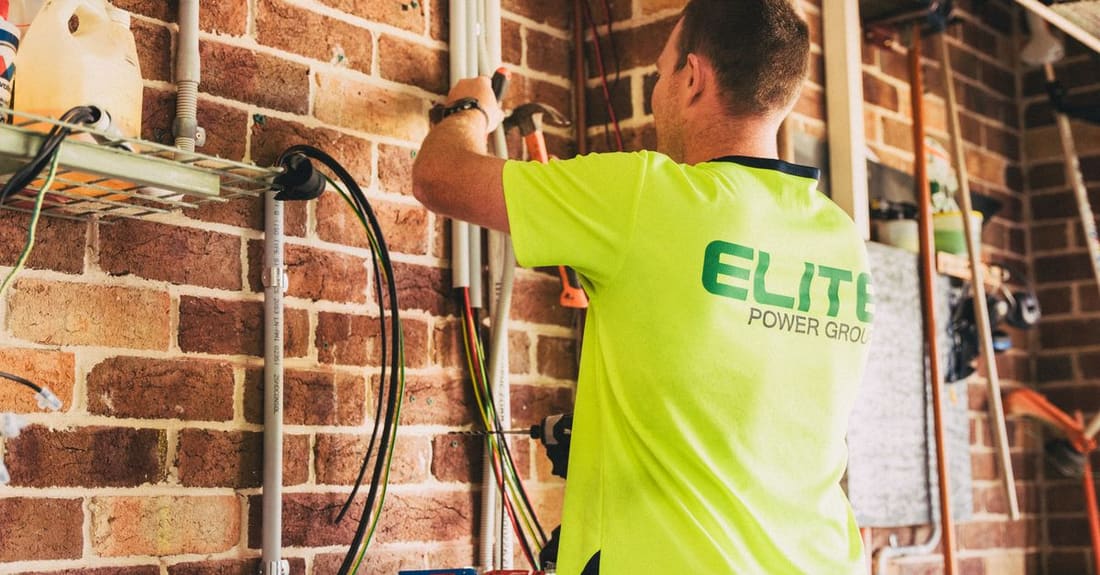
A battery stores daytime generation for evening use, which raises self-consumption: a unit you use avoids importing at around 26p, against around 12p for a unit exported
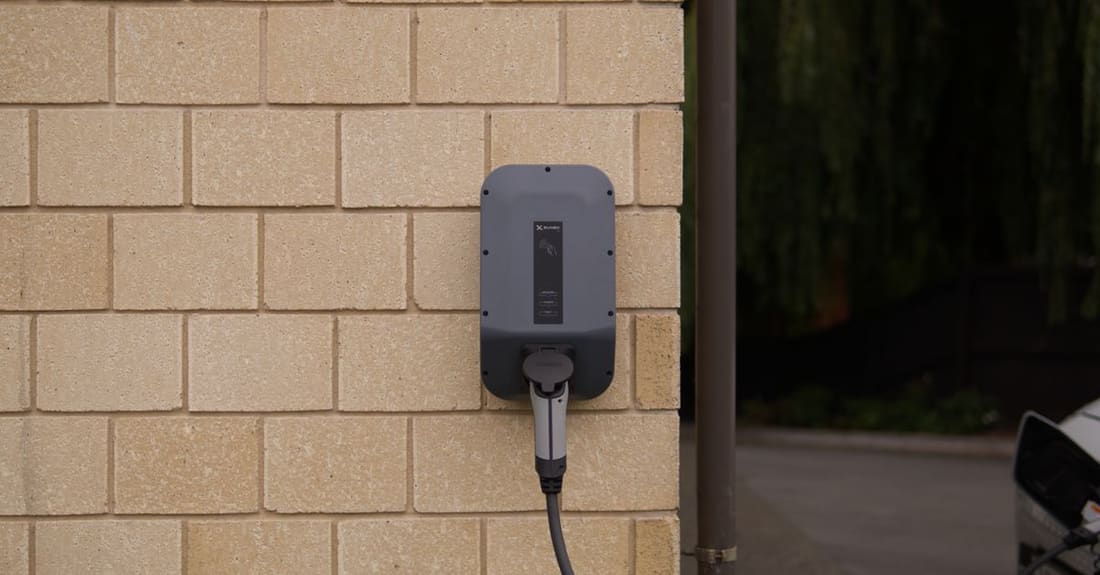
EV charger installation
Home charging can cost less than public charging, particularly on an overnight or time-of-use tariff; compare the pence-per-kWh rates against your current tariff
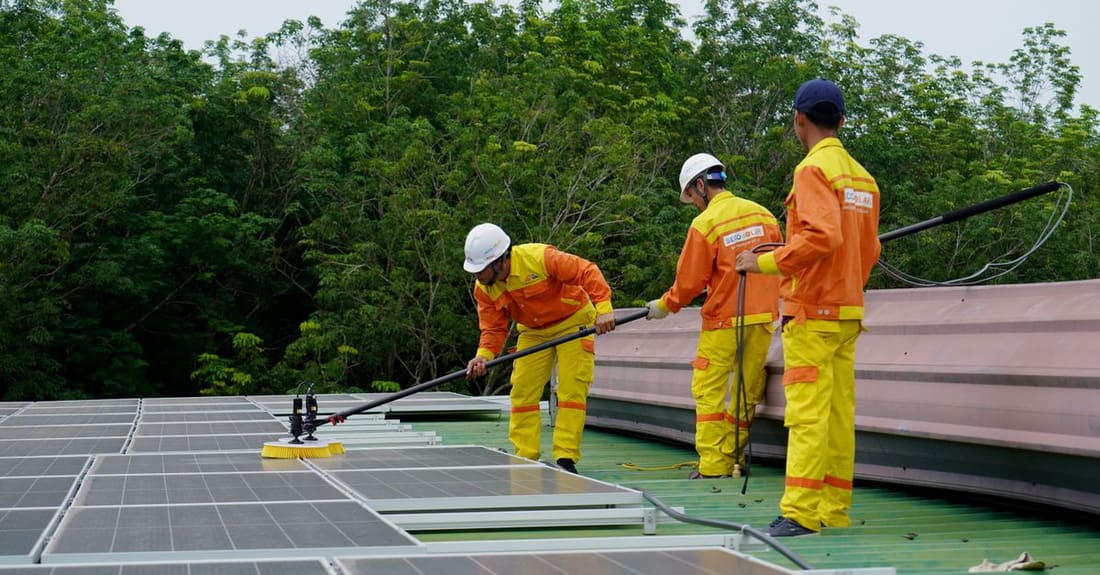
Solar panel maintenance & cleaning
A performance check should compare output with what you would expect, look for inverter fault codes and include a visual inspection
Solar for Leeds businesses (commercial)
Commercial solar suits premises with daytime demand, such as offices, workshops and light-industrial units
A REAL DEADLINE, NOT A SALES COUNTDOWN
0% VAT on home solar ends on 31 March 2027
Home solar and battery installations are zero-rated for VAT until 31 March 2027, after which the rate returns to 5% (HMRC VAT Notice 708/6). An installation completing after that date costs about 5% more: a legislated date you can verify, not a manufactured sales deadline. There is no rush beyond that, and self-consumption savings do not expire.
What a quote worth comparing includes
| A quote worth comparing Ask every installer for these | A quote to question Headline price only | |
|---|---|---|
| System size, named panel and inverter models | ||
| Yield estimate for your roof (kWh a year) | ||
| MCS certificate number you can check (needed for SEG payments) | Varies | |
| Itemised price with VAT shown | ||
| Panel, inverter and workmanship warranties in writing | Varies | |
| Deposit protection through a consumer-protection scheme such as RECC or TrustMark | Varies |
COMMON CONCERNS
The things Leeds homeowners ask about
Is Leeds even sunny enough for solar to be worth it?
Yes, for a well-placed roof. PVGIS gives around 947 kWh per kWp a year at Leeds city centre for a south-facing roof at a 35 degree tilt (922 at Ilkley to 969 at Wetherby), which is about 3,800 kWh a year from a 4 kWp system. East-west, flat, shaded or steeper or shallower roofs produce less. Panels run on daylight, not heat, so cloud lowers output but does not stop it.
I might move house before it pays back.
Two points. First, you start saving once the system is working, so every year you stay counts. Second, be wary of the large house-price uplift figures quoted online; we have not published one because we cannot source it. A better EPC rating may help when you sell, but how much is not something this site can promise. If you expect to move within a year or two, the sums may not work in your favour.
What if my roof faces the wrong way?
East- and west-facing roofs produce less than a south-facing one, though they spread generation across the morning and evening, which can suit some households' usage better. A north-only pitch is the hardest case. Ask any installer for a written output estimate for your actual roof, with the orientation and shading assumptions stated.
What if my installer goes bust and I'm left with no warranty?
Ask before you sign whether workmanship is covered by an insurance-backed guarantee that still applies if the installer ceases trading, and read what it covers. It is not a 'fix anything forever' policy, and anyone who claims that should worry you. RECC and TrustMark are consumer-protection schemes you can check, so ask for the installer's membership number and verify it. Product warranties for panels and inverters come from the manufacturers regardless.
Can't I just get solar panels for free in Leeds?
Free or funded solar exists only through means-tested routes. ECO4 (to 31 December 2026) is supplier-funded rather than a grant, suppliers decide what to fund and you may be asked to contribute. Warm Homes: Local Grant (England) is council-run and can fund insulation, solar panels or an air-source heat pump for eligible homes; check whether your council is delivering it. 'Free' rent-a-roof deals usually mean someone else owns the system, so read the contract carefully, including what happens if you sell.
Do I really need a battery?
Not always. A battery adds several thousand pounds depending on capacity and pays back slowly on its own. It tends to earn its keep on higher-usage homes with a smart tariff. On a low-usage home you may do better starting without one; ask whether the inverter you are quoted could take a battery later.
Solar panels in Leeds: your questions answered
The questions Leeds homeowners ask most, including the ones the search engines surface.
How much do solar panels cost in Leeds?
DESNZ solar PV cost data for MCS installations in Great Britain (2025/26, published 28 May 2026) puts the median installed cost at £1,595 per kW for systems of 0–4 kW and £1,546 per kW for 4–10 kW, including equipment, installation, connection and VAT where applicable, but excluding batteries. For a typical Leeds home with a 3.5–5 kWp system that is typically about £5,500–£9,000, depending on the roof, panel choice and scaffolding. 0% VAT applies to the installation until 31 March 2027, then 5% from 1 April 2027. A battery adds several thousand pounds depending on capacity. Ask for itemised written quotes from more than one MCS-certified installer, and be sceptical of headline prices that assume the simplest possible roof.
Are solar panels worth it in Leeds?
It depends on your roof, your daytime electricity use and how long you will stay. As an illustration only: a 4 kWp south-facing system at about 947 kWh per kWp would generate around 3,800 kWh a year. Assuming roughly 40% self-use at around 26p, export at around 12p and an installed cost within the DESNZ band, that would typically pay back in about 9–12 years. It is a model, not a guarantee. A north-only roof, heavy shading, or being out all day with no battery can lengthen the payback.
What is the 33% rule for solar panels?
It is a commonly quoted rule of thumb, not an official rule, that a home without a battery uses only about a third of what its panels generate directly and exports the rest. Your real share depends on when you use electricity; the illustrations on this site assume roughly 40% self-use. It matters because a unit you use avoids importing at around 26p (GB average price cap), while an exported unit earns around 12p on a good SEG tariff, so shifting use into daylight hours, or adding a battery, is worth more than the export payment. Treat it as a guide, not a law.
What does Martin Lewis say about solar panels?
We do not speak for him, and his advice changes, so read the current MoneySavingExpert solar guide directly. As general buyer steps rather than a summary of his advice: compare several quotes from MCS-certified installers, be wary of 'free solar' rent-a-roof deals, and treat panels as a long-term purchase rather than a quick win. We have not checked these against his latest guidance.
What is the biggest downside of solar panels?
The upfront cost and the payback period: you pay now to save later, so if you might move within a year or two it may not stack up. Other downsides: output is lower in winter, a north-facing roof underperforms, and the inverter may need replacing during the system's life, so check its warranty. Whether these matter depends on your home; ask any installer to cover them in writing before you buy.
Do I need planning permission for solar panels in Leeds?
Often not. In England, roof solar on a house is permitted development if it protrudes no more than 0.2 m beyond the roof slope and is no higher than the highest part of the roof (excluding the chimney). It is not permitted development on a listed building or within its curtilage, where you need planning permission and listed building consent. In a conservation area it is not permitted development on a wall, balcony or roof enclosure fronting a highway, a flat-roof array needs prior approval from the council, and councils can tighten the rules with Article 4 Directions. Leeds City Council says there are 80 Conservation Areas in the Leeds district and lists 'some solar panels' among works needing planning permission there. Check with the council before you order.
Can I get solar panels for free in Leeds or from Leeds City Council?
'Free solar' is not a general offer. ECO4 (to 31 December 2026) is supplier-funded rather than a grant, suppliers decide what to fund and you may be asked to contribute; for private housing, eligibility depends on receiving a qualifying benefit and on your EPC rating. Warm Homes: Local Grant (England) is council-run and can fund insulation, solar panels or an air-source heat pump for eligible homes; check whether your council is delivering it, and ask Leeds City Council what, if anything, it currently offers. Apply through your council (if it takes part) or an obligated energy supplier, not through this site. Everyone else pays, with 0% VAT on the installation until 31 March 2027.
Do I need to tell Northern Powergrid?
Yes, but your installer normally files it. Northern Powergrid is the network operator for Leeds and the rest of West Yorkshire. Up to 16 A per phase (3.68 kW on a single phase) is the G98 route: connect, then notify within 28 days of commissioning. Above that, a G99 application and Northern Powergrid approval are needed before connecting. Batteries that can export count toward the limit, and inverters must be on the ENA type-test register. Ask your installer to confirm in writing which route applies and who files it.
AREA GUIDES
Solar panel guides for Leeds and West Yorkshire
Housing varies a lot across the city, and so does what suits it: the Victorian terraces of Headingley, Hyde Park and Chapel Allerton, the semis of Roundhay, Moortown, Alwoodley, Adel and Cookridge, the new-builds around Garforth and east Leeds, and the stone housing of Pudsey, Farsley and Horsforth each call for a different approach. Our town guides cover the wider area.
- Solar panels Bradford
- Solar panels Huddersfield
- Solar panels Wakefield
- Solar panels Harrogate
- Solar panels Morley
- Solar panels Ilkley
- Solar panels Otley
- Solar panels Wetherby
Each town guide uses that town's own PVGIS yield figure and the same DESNZ cost band. Your own figure depends on your roof and postcode.
ABOUT THIS SITE
Independent, sourced, and clear about its limits
- Independent. This site is operated by SEO Dons Ltd. It is not an installer, so it has no system to sell you and does not survey, quote or install.
- Sourced. The figures here link to their sources (PVGIS, DESNZ, Ofgem, gov.uk, Leeds City Council) and carry the date they were checked.
- Check any installer yourself. MCS certification is required for Smart Export Guarantee payments; RECC and TrustMark are consumer-protection schemes you can look up.
- Warranties. Ask for panel, inverter and workmanship warranties in writing, and for what happens if the installer stops trading.
Send an enquiry
- Get an estimate on screen now, or send your details.
- We reply by email.
- For exact figures, compare itemised written quotes from installers after a site survey.
Nothing is booked or sold through this site.
Sources and last checked
Yield: PVGIS v5.3 (SARAH3), 35° tilt, due south, 14% losses. Installed cost: DESNZ solar PV cost data, 2025/26. Import price: Ofgem price cap. Export: Ofgem Smart Export Guarantee. VAT: VAT Notice 708/6. Conservation areas: Leeds City Council. Network operator: Northern Powergrid. Figures last checked 30 October 2026. Prices, tariffs and scheme rules change; check the source before you act.